

I am pragmatically green. I sort without a doubt, am happy to pay a little more for green electricity, and really enjoy driving electric. That's enough as a disclaimer to not make me suspicious.
But I do all of that thoughtfully. And now, with the impending installation of a smart meter, I have some questions about the new tariffs. I hope there are enough readers who dare to answer with expertise.
Supply and demand
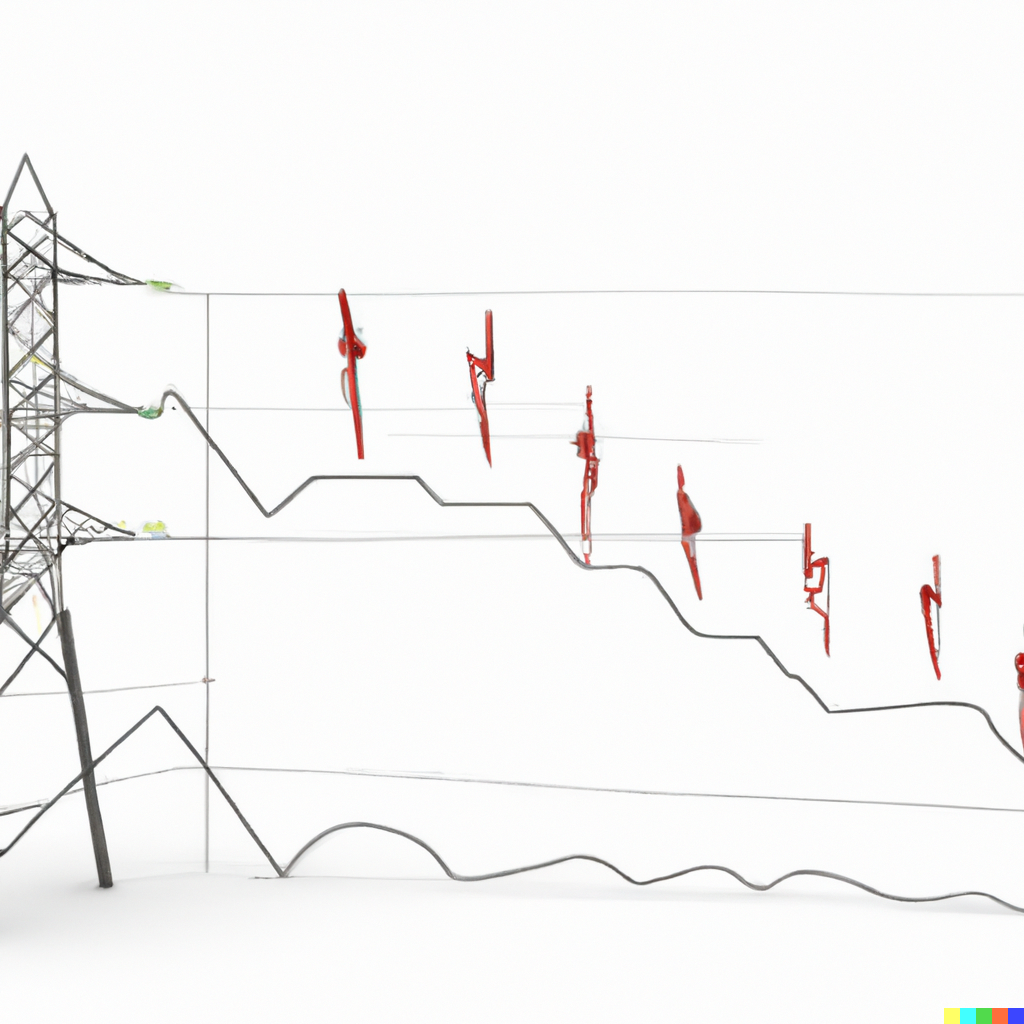
Dynamic tariffs are new compared to the already known fixed and variable tariffs. The tariff can vary from hour to hour and thus better reflect the interplay of supply and demand. An element that becomes more dynamic as our electricity is effectively generated sustainably.
In my opinion, an interesting formula if you can adequately respond to it. For that, you need to be capable both technologically and practically. Technologically, it means the installation of smart devices. Tumble dryers and electric vehicles (EVs), to name two, that know when they receive cheap electricity.
By practical, I primarily mean your daily rhythm. It's nice if there's a lot of sun at 2 pm and thus cheap electricity, but are you home then to charge your EV? And there are always many things that cannot be practically arranged. You simply need light when the sun isn't shining.
Throughout the seasons
I don't differ that much from other people in terms of daily rhythm either. So, I will often need more electricity at the same time as other users. Therefore, by definition, my demand will be high when overall demand is higher and thus the dynamic tariff is more expensive.
That doesn't just apply to my daily rhythm, by the way. Those fluctuations can still be absorbed with a home battery, I think. But also throughout the seasons, I need more energy in winter. More light, more heat, yes, even the EV consumes significantly more when it's cold.
In short, I will always consume more expensive electricity than cheap electricity.
Tipping point
Where would the tipping point be? In my country house in Sweden, I deliberately chose a fixed rate, unlike many Swedes. In the summer, I pay twice as much per kWh as my friends, but in the winter, they pay three times more. Multiply that by the fact that I consume twice as much in winter as in summer, and I am therefore better off with the fixed rate.
Would this reasoning also apply to dynamic rates? What happens, by the way, if a large mass goes dynamic? Then the differences will flatten out because demand will follow supply.
What do you think?
Discover more from GeensZins
Subscribe to have the latest posts sent to your email.
